

📖 Product presentation
Digital Loyalty Programs for Local Businesses: How to Increase Retention and Repeat Sales
Local businesses lose an enormous amount of money every year for one simple reason. They do not keep enough of their existing customers coming back.
That hurts more than most owners realize. A relatively small group of loyal customers often drives the majority of repeat revenue. If you can retain that core group better, you do not just make marketing more efficient. You make the whole business stronger.
This is why digital loyalty matters. Not as a trendy extra, but as a practical system for increasing retention, lifting average order value, and building a customer base that returns again and again.
Why loyalty should be a priority
For most local businesses, customer retention is where the easiest growth lives. You already did the hard part once. You got the customer through the door. The next step is making sure they come back.
The logic is simple:
A smaller share of customers often produces the biggest share of recurring revenue.
Repeat customers tend to buy more often.
They usually trust the business more and need less convincing.
They are also the most likely to recommend the business to friends.
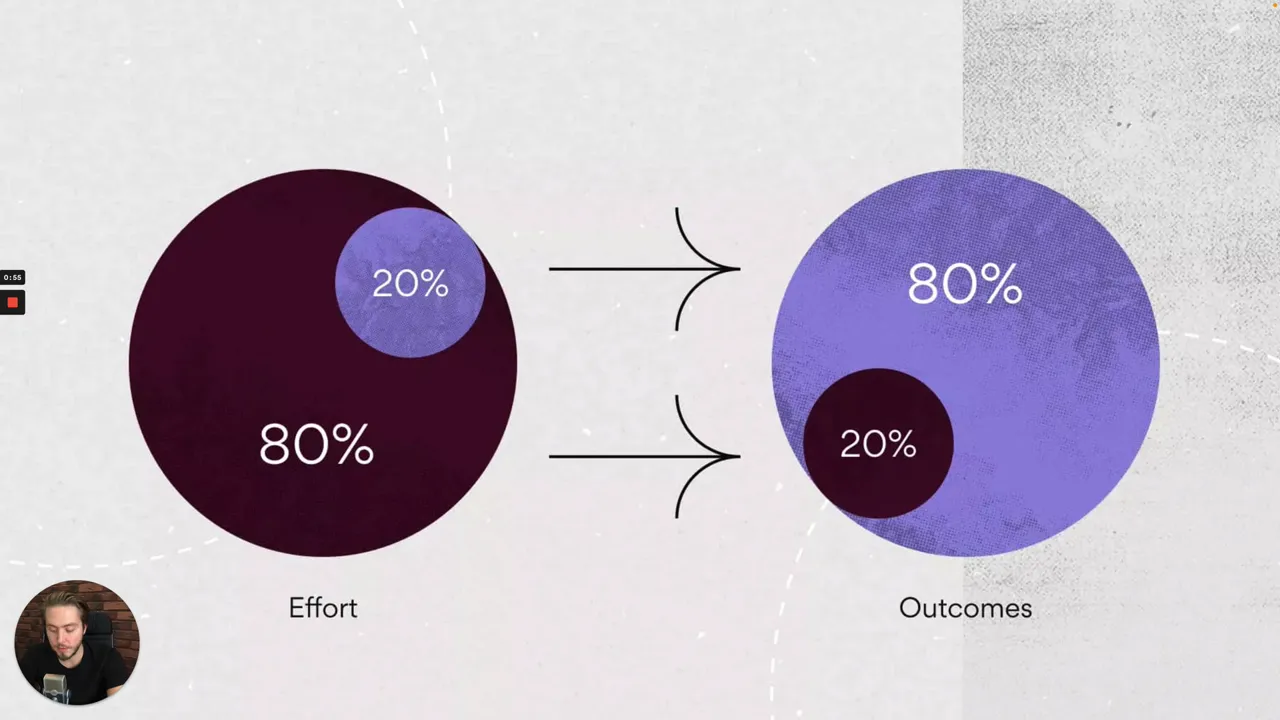
When loyalty is weak, businesses leak revenue every day. Customers forget, drift to competitors, or simply never get a reason to return. A loyalty program gives you a structured way to stop that leakage.
This is especially relevant for businesses like:
Cafes and coffee shops
Restaurants and delis
Retail stores
Beauty salons and spas
Service businesses and consultancies serving local brands
Why digital loyalty works better than paper cards
Paper punch cards had their moment, but they come with obvious problems.
Customers lose them or forget them at home.
Staff can make mistakes or abuse the process.
You get almost no useful analytics.
There is no clean transaction history.
Digital cards solve those issues because they live on the customer’s phone and can be tracked properly.
Compared with standalone loyalty apps, digital wallet cards have another big advantage. They are easier to adopt. Most customers do not want to download a separate app for every local business they visit. A card that works through Apple Wallet or Google Wallet removes that friction.
That means:
Faster enrollment
Less drop-off during signup
No need to convince people to install a native app
A simpler path from first visit to repeat visit
And because digital cards are tied to real activity, the business gets transparent history and better statistics instead of guesswork.
How a digital loyalty program works
The basic setup is straightforward. The customer gets a digital card in Apple Wallet or Google Wallet. From there, the card becomes a live communication and rewards channel.
You can use it in two big ways:
Acquire new customers with digital coupons and offers
Retain existing customers with rewards, reminders, and automated follow-up
For new customers, digital coupons can improve the jump from ad click or lead to first purchase. Instead of collecting a weak lead and hoping it turns into a sale later, you can put a wallet-ready offer in front of the customer immediately.
For existing customers, the card stays active after every purchase. That creates multiple chances to bring them back with reminders, rewards, and follow-up messages.
A useful retention flow can look like this:
The customer makes a purchase.
They are invited into the loyalty program.
They receive a post-purchase check-in.
If feedback is positive, they can be encouraged to refer a friend.
If feedback is poor, the business is alerted so the issue can be handled directly.
After a set number of days, a return reminder is sent.
That one loop can improve retention dramatically because it turns each sale into the start of the next sale.
Getting customers enrolled fast
If a loyalty program is difficult to join, most people will not bother. Simplicity wins.
The ideal process is very short:
Scan a QR code
Enter basic details like name and phone number
Tap to get the card
Once that is done, the customer is already in the program and the loyalty card is stored in the phone wallet. No long forms. No app download. No staff training marathon.
For local businesses, this matters a lot at the counter. The easier the flow, the more customers actually join.
The main loyalty mechanics local businesses can use
Different businesses need different incentives. A coffee shop and a salon do not need the same program. That is why several loyalty structures are useful.
1. Stamp cards
This is the classic model. Buy a set number of times and unlock a reward. Think of the familiar coffee-shop approach where a customer collects stamps and gets a free item after completing the cycle.
The strong part of digital stamp cards is that the cycle can renew automatically. The customer finishes one reward cycle and begins the next without needing a new card.
2. Cashback points
This works like bank cashback. Customers earn points based on spending and can use those points later on future purchases. It is easy to understand and works well for businesses that want a flexible value-based program.
3. Multipass or prepaid visit packages
This is useful for salons, spas, and service businesses. You sell a bundle upfront, such as ten treatments or ten visits, and the customer redeems them over time. The business gets cash upfront, and the customer is more likely to return consistently.
4. Digital coupons
These are ideal for first-time visits and ad campaigns. You can offer a percentage discount, a fixed discount, or a free item. This is one of the most practical ways to connect digital advertising with actual in-store purchases.
It also helps answer a better question than cost per click or cost per lead. You can track how many customers actually came in and bought something.
5. Tiered reward cards
With this model, customers unlock rewards after reaching point milestones. For example, a smaller reward at one threshold, a more valuable one at the next, and so on. This works especially well in retail, beauty, and stores with broader product ranges.
6. Tiered discount cards
Here the discount increases as the customer spends more over time. A customer may start with a small discount, then move into a better tier after hitting a spending milestone, and later unlock an even higher one.
This gives people a reason to stay loyal because the benefits improve as the relationship deepens.
7. Membership cards
This format is designed to create a club around the business. Customers pay for access and receive benefits such as recurring discounts, special bonuses, or included perks.
8. Certificate or gift balance cards
These work like prepaid gift or bonus-based cards. They can support gifting, prepaid value, and customer credit stored digitally.
Standalone or integrated setup
One of the practical challenges with loyalty software is implementation. If a program needs months of setup, outside developers, and deep POS work before it can even start, many local businesses will never launch it.
A useful digital loyalty system should be able to run in two ways:
Standalone
This means you can run the program without connecting it to other software first. Transactions are handled through a scanner tool, and staff can use it with minimal training because the action is simple: scan the customer card and apply the transaction.
This is valuable because it lets a business launch quickly instead of waiting through a long technical rollout.
Integrated
If needed, the loyalty program can also connect to POS or CRM tools through API, webhooks, or no-code connectors such as Zapier and similar workflow tools. That gives more automation options without forcing every business to start there.
How to promote the loyalty card
Once the program is live, the next job is distribution. A loyalty program only works if customers actually join it.
Offline promotion
For physical locations, QR codes do a lot of the heavy lifting. Common placements include:
Table tents
Counter displays
Stickers on doors, windows, or tables
If the QR code is visible and the offer is clear, enrollment becomes part of the normal in-store experience.
Online promotion
Digital distribution matters too. Loyalty cards can be shared through:
SMS
Email
Messengers
Chatbots
Websites
UTM-tagged links for channel tracking
This makes it easier to identify which channels bring not just signups, but actual customers.
Using push notifications to drive repeat purchases
This is one of the biggest advantages of digital wallet loyalty. The card is not passive. It can become a communication channel.
Push notifications can replace a big chunk of what businesses usually try to do with paid SMS or ignored emails.
There are four practical categories here.
1. Marketing campaigns
This is the standard broadcast format. Choose a customer segment, write the message, schedule the send, and track delivery results.
2. Automated service messages
These include useful lifecycle messages like:
Quality control follow-up
Next-visit reminders
Birthday greetings
These messages keep the brand present without requiring manual work every day.
3. Trigger-based funnels
This is where things get much smarter. Messages can be sent based on customer behavior. For example:
One hour after card installation, send a welcome message
One day later, send a reminder about benefits
Two days later, send another incentive to visit
That creates a simple automated funnel based on real actions, not random guessing.
4. Geo-based notifications
When a customer with the card is near a business location, a location-based reminder can be sent. This works especially well for walk-in businesses. Someone is already close by, so a timely nudge can turn proximity into a purchase.
Turning happy customers into referrals
Referral programs are one of the cleanest ways to grow a local customer base without increasing ad spend.
The key is setting the incentive correctly. Existing customers need a real reason to share the card with friends.
The smart part is rewarding referrals only after the invited person makes the first purchase. That keeps the program safe for the business because rewards are tied to real revenue, not empty invites.
This approach works well after a positive experience. If a customer gives strong feedback, that is the right moment to invite them to share the program.
Using feedback to save unhappy customers
Not every customer leaves thrilled. That is exactly why quality-control follow-up is important.
If someone gives a poor rating after a purchase, the business can capture the issue immediately, see it in the dashboard, and follow up personally. That gives you a chance to recover the relationship before the customer disappears for good or leaves a public complaint somewhere else.
In other words, a loyalty system should not only reward happy customers. It should also help rescue the unhappy ones.
The dashboard and the numbers that matter
A loyalty program should not be a black box. You need to know whether it is working.
A useful dashboard can help track things like:
New and returning customers
Retention rate
Revenue
Average check
Loyalty level
Top customers
Unsatisfied customers
Referral activity
Issued cards
Customer segments and demographics
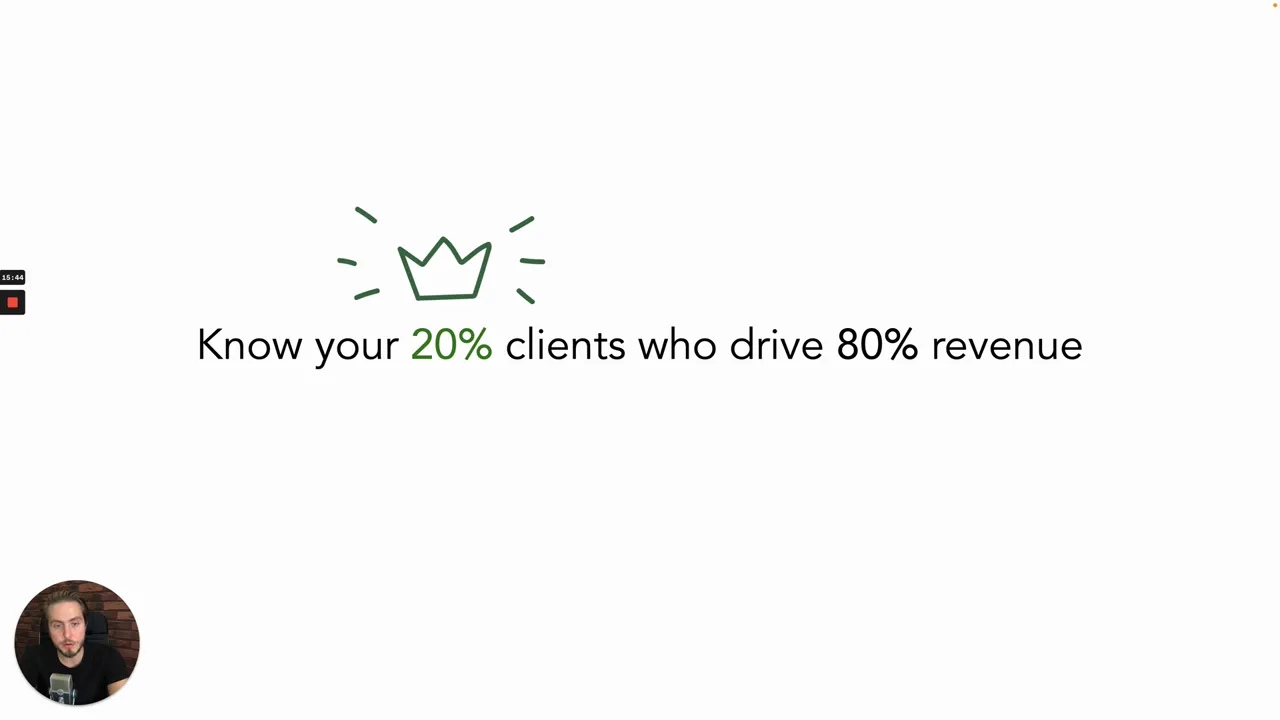
This is how you identify the customers who really matter most to your business. Once you know who drives the biggest share of recurring revenue, you can build better offers and communication around them.
How to improve a loyalty program over time
Launching a loyalty program is only step one. The real gains come from iteration.
A practical improvement cycle looks like this:
Analyze your current results
Run A/B tests with different promotions or incentives
Ask customers how they feel about the program
Make changes regularly based on what the data shows
If your setup is flexible, these changes can happen fast. That matters because local businesses do not have the luxury of waiting months to tune a campaign.
The main business benefits
When digital loyalty is done right, the advantages stack up quickly:
Higher retention because customers get reminders and rewards to return
Larger average checks through points, tiers, and incentives
Faster onboarding because there is no app install barrier
Free ongoing communication through push notifications
Cleaner analytics than paper-based systems
Faster launch because a standalone setup can start quickly
Paperless operation instead of printed cards
Real examples from local business chains
The strongest proof of loyalty performance is actual business results.
Case 1: Coffee shop franchise
One coffee chain with dozens of locations used digital loyalty across the franchise and generated strong traction in less than a year. The program issued tens of thousands of cards, processed more than a million transactions, and supported a huge volume of push notifications.
The important outcome was not the card count. It was the business impact. Retention improved significantly, and revenue growth followed.
Case 2: Nail salon franchise
A multi-location nail salon group also saw major improvement after implementing a digital loyalty structure. Over time, the program drove tens of thousands of cards, hundreds of thousands of transactions, and a clear lift in retention and revenue.
One of the most useful comparisons in this case was between two customer groups:
Customers with loyalty cards
Customers without loyalty cards
The card holders retained at a much higher rate. That is the sort of gap that makes loyalty impossible to ignore.
What a strong local loyalty setup looks like
If you strip away all the extra noise, the winning formula is pretty simple.
A strong loyalty program for a local business should be:
Easy for customers to join
Easy for staff to use
Fast to launch
Useful without heavy integrations
Flexible enough to fit different business models
Built around repeat visits, not vanity metrics
Supported by real analytics and customer feedback
The goal is not to have a loyalty program because everyone else has one. The goal is to create a repeat-purchase engine that keeps customers engaged, improves retention, and raises revenue over time.
Final thought
Local business growth does not always come from finding more new people. Often it comes from doing a much better job with the people who already know you.
That is the power of digital loyalty. It helps turn one-time customers into regulars, regulars into loyal customers, and loyal customers into advocates.
When that system is easy to launch, simple to use, and measurable from day one, it stops being just another marketing tool. It becomes part of how the business grows.